

Honoring your loved one’s decision as a registered organ donor
Organ donation is a deeply personal act of generosity, one that reflects compassion, empathy and a desire to do good in the world, even in death. Your loved one is part of the rare 1% of people who will save lives through organ donation.
We understand this is a difficult time, and we’re here to answer questions and help you through the process.
A new way to see their choice
Maybe they were the first to show up when someone needed help. Maybe they gave more than they had or always thought of others. Maybe they saw organ donation as one final act to leave the world a little better.
We understand this might not be how you would have chosen. As you process this moment, we invite you to pause and reflect on who your loved one was and how their decision to be a donor may reflect their heart.
Learn more about their choice:
Your loved one took action to help others and that choice is protected by law.
Registering as a donor is known as “first-person authorization.” It means they made this decision themselves, with intention and purpose. After making this decision, they documented via a donor registry in one of the following ways:
- On their most recent driver’s license or State ID card application at their local Department of Motor Vehicles (DMV) office
- Through a state or national donor registry such as RegisterMe.org, MyChart or via the iPhone Health app
- On their hunting or fishing license through the Department of Natural Resources (DNR)
That might feel hard to hear right now, especially in the middle of so much pain and loss. Their voice still matters. This is their final act of giving.
This decision is governed by the Uniform Anatomical Gift Act (state law) and is considered a legally binding gift — not subject to family override and different from informed consent.
Minnesota: Uniform Anatomical Gift Act
North Dakota: Uniform Anatomical Gift Act
South Dakota: Uniform Anatomical Gift Act
It is not only a blessing to give someone an organ, kidney, tissue – whatever it is – it’s an honor to know that because of Giovanni, and because of others, people can live.
Rolanda, mom of organ donor
The Donation Process
Are you wondering what happens next?
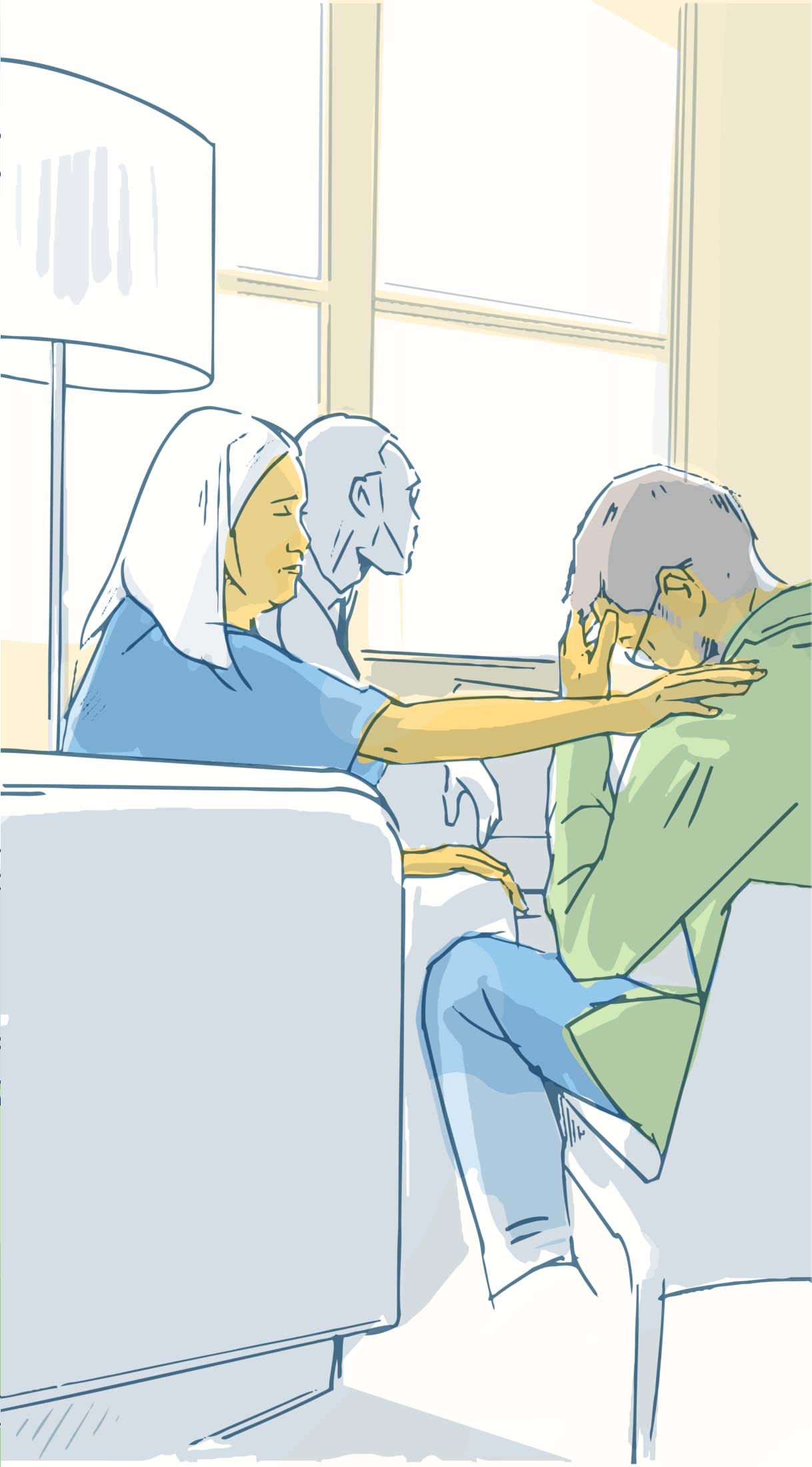
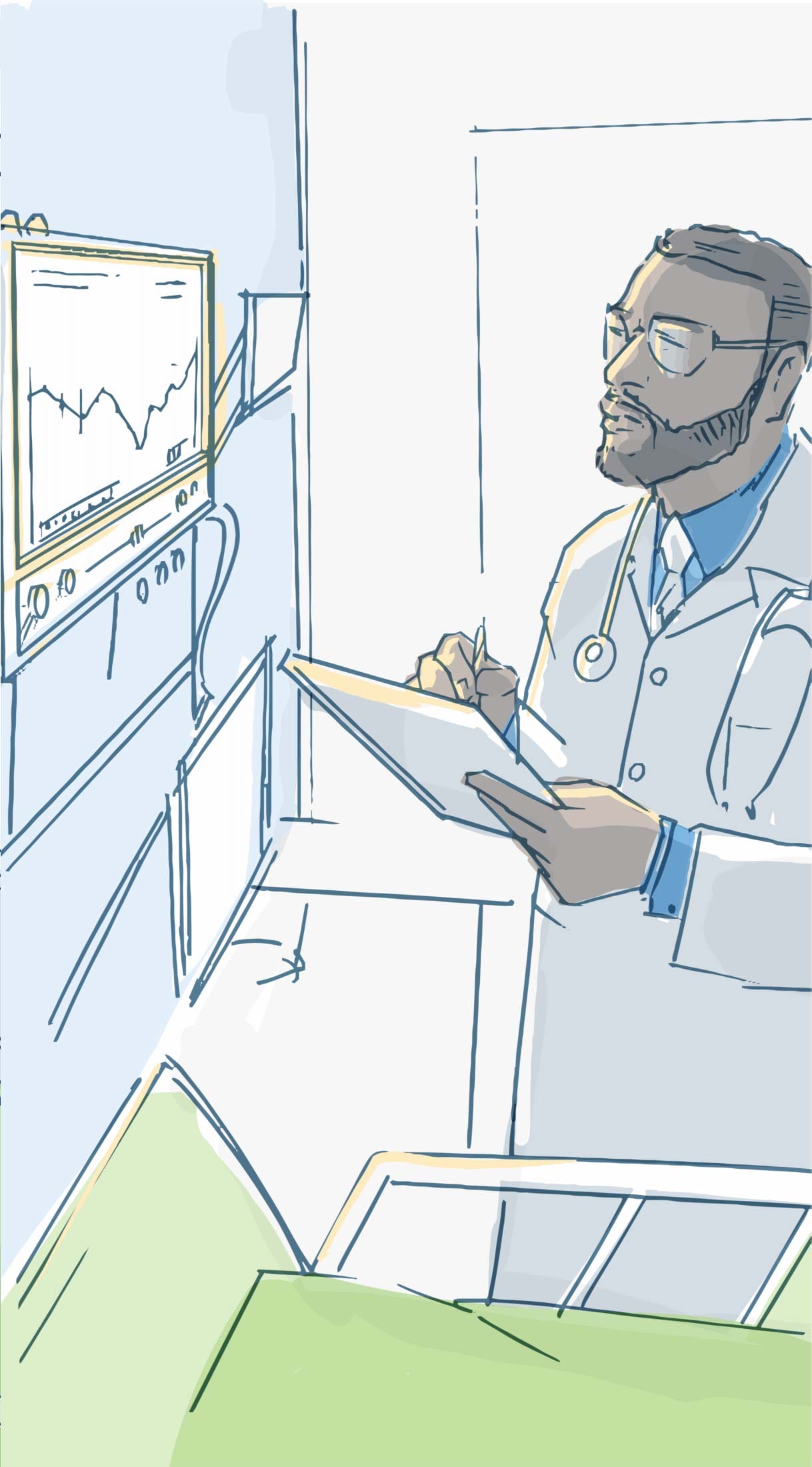
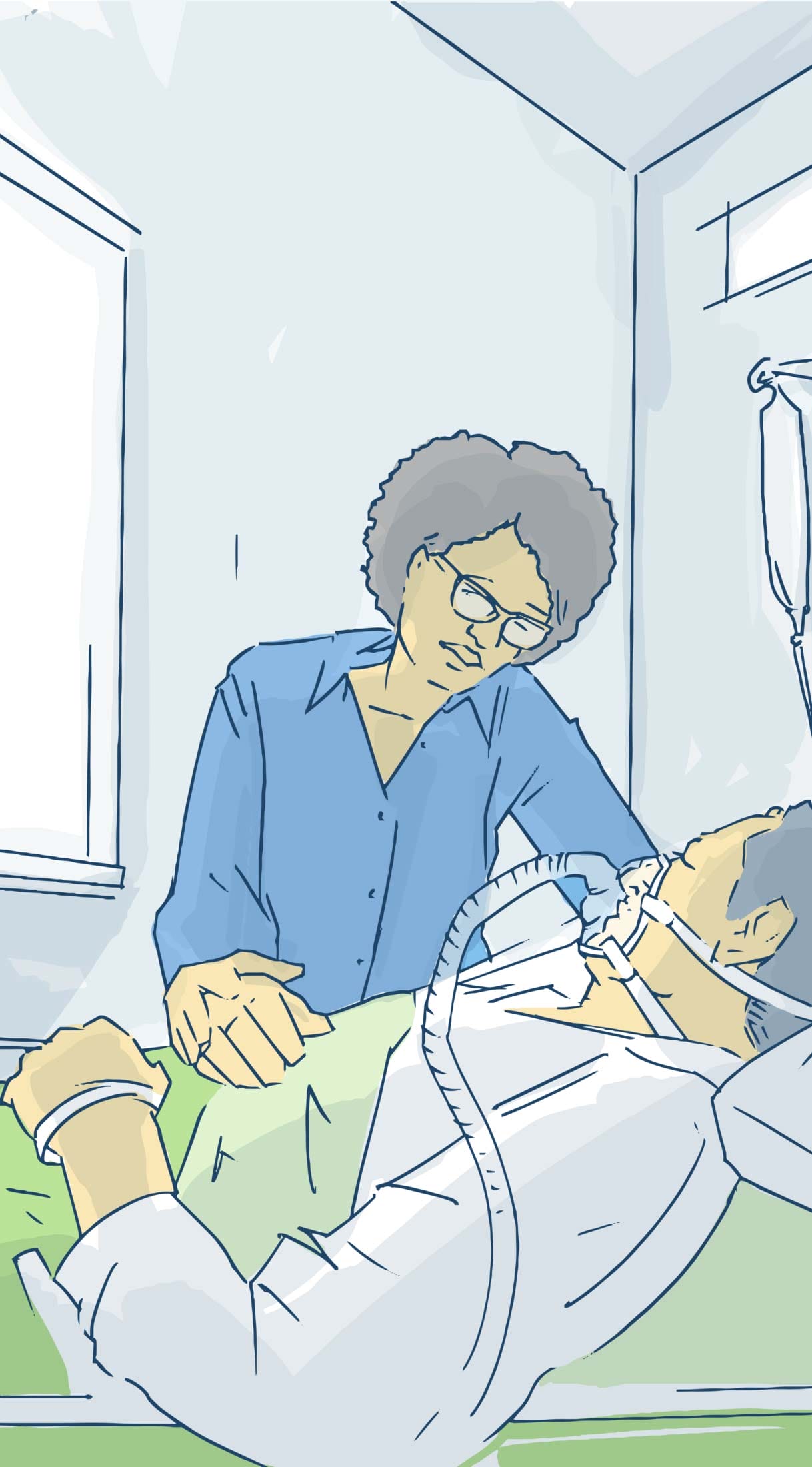
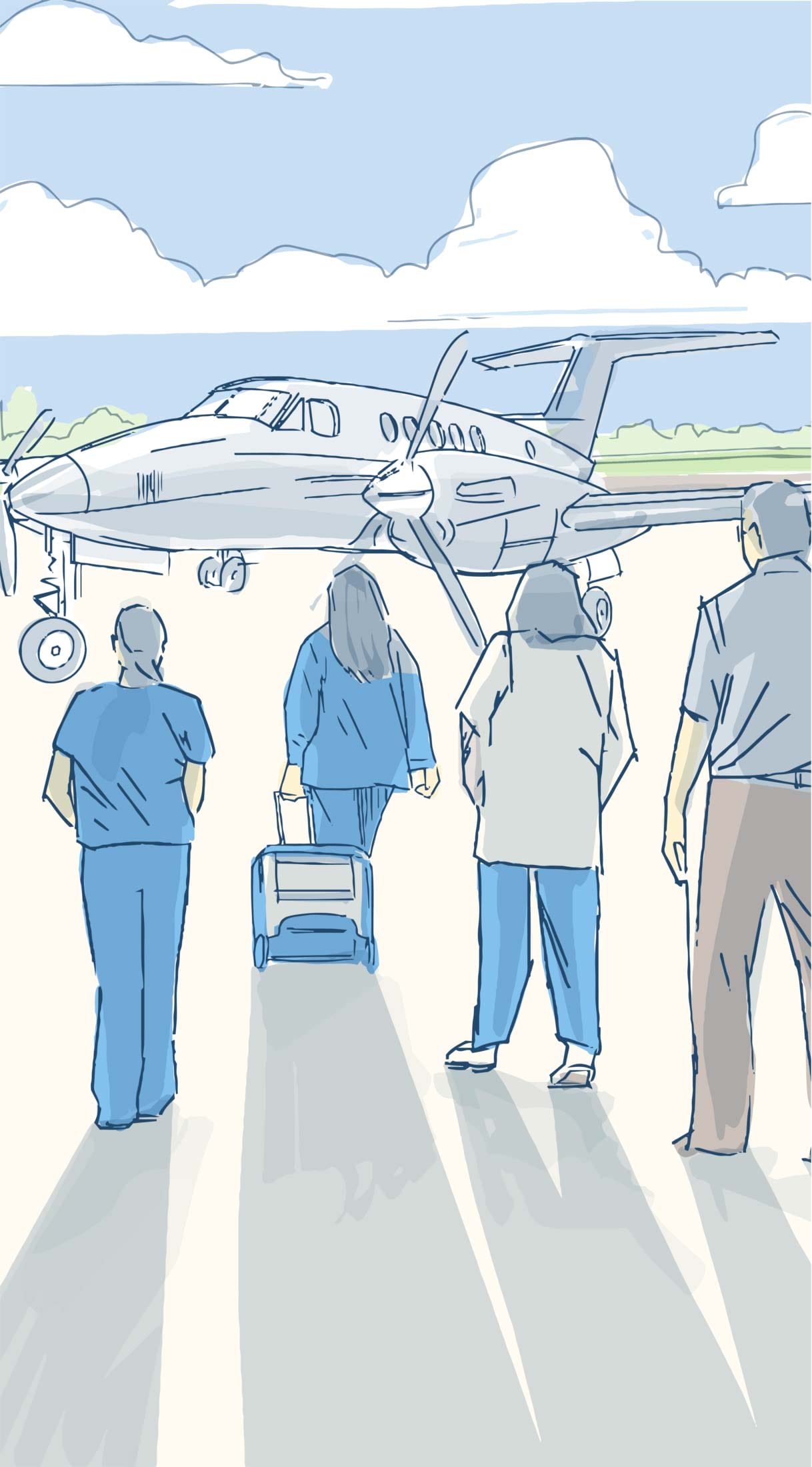
When a donation begins, a common mission unites the medical teams and support staff to move through the various steps of the process as quickly as possible and with a real sense of urgency. The organ donation process can vary for everyone, but generally it takes one to three days. During this time, every minute counts and our team is focused on making sure you feel supported, providing care for your loved one and ensuring their organs and tissues can help as many people as possible.
Click through each step of the process below for more information.
Memorials & legacy opportunities
You decide how your loved one is remembered. We’ll support you in creating meaning that fits your story. Donation does not prevent funeral traditions, cultural rituals or final goodbyes. LifeSource and your hospital care team offer several ways to create meaning during and after donation. These include:
-
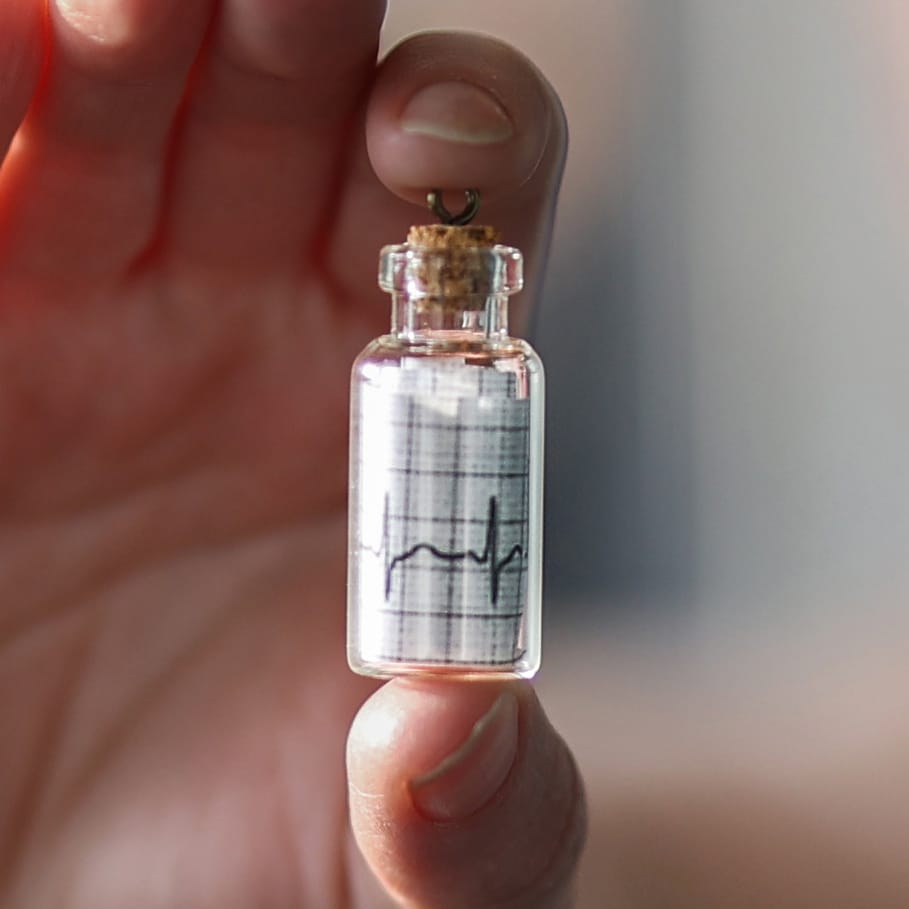
Heartbeat in a bottle
Families have made them into jewelry, given them at funerals, placed them inside stuffed animals for children; they place them on mantle pieces, on their nightstands, or carry them with them everywhere they go.
-
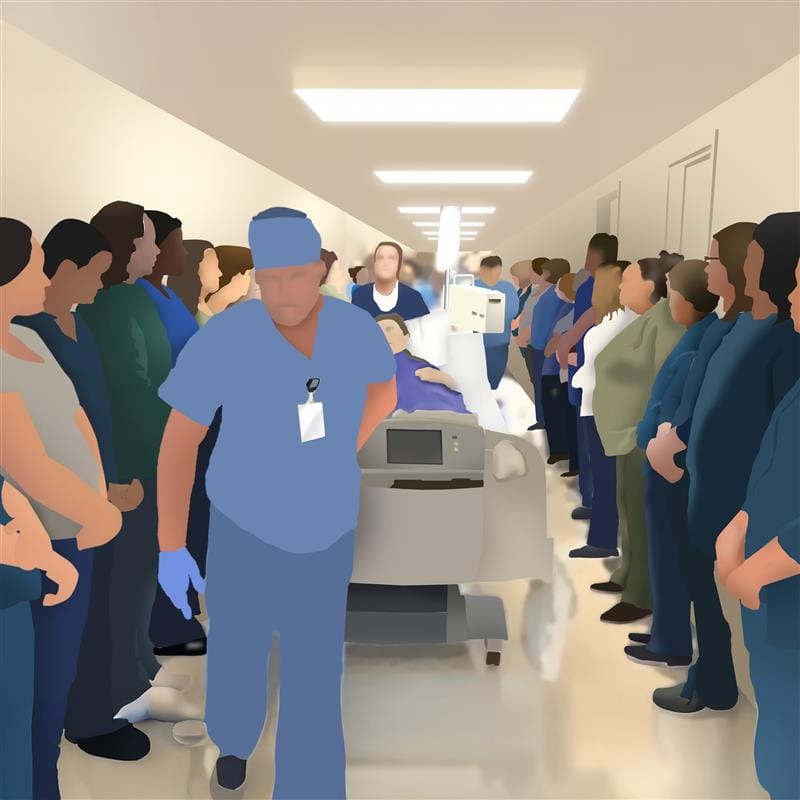
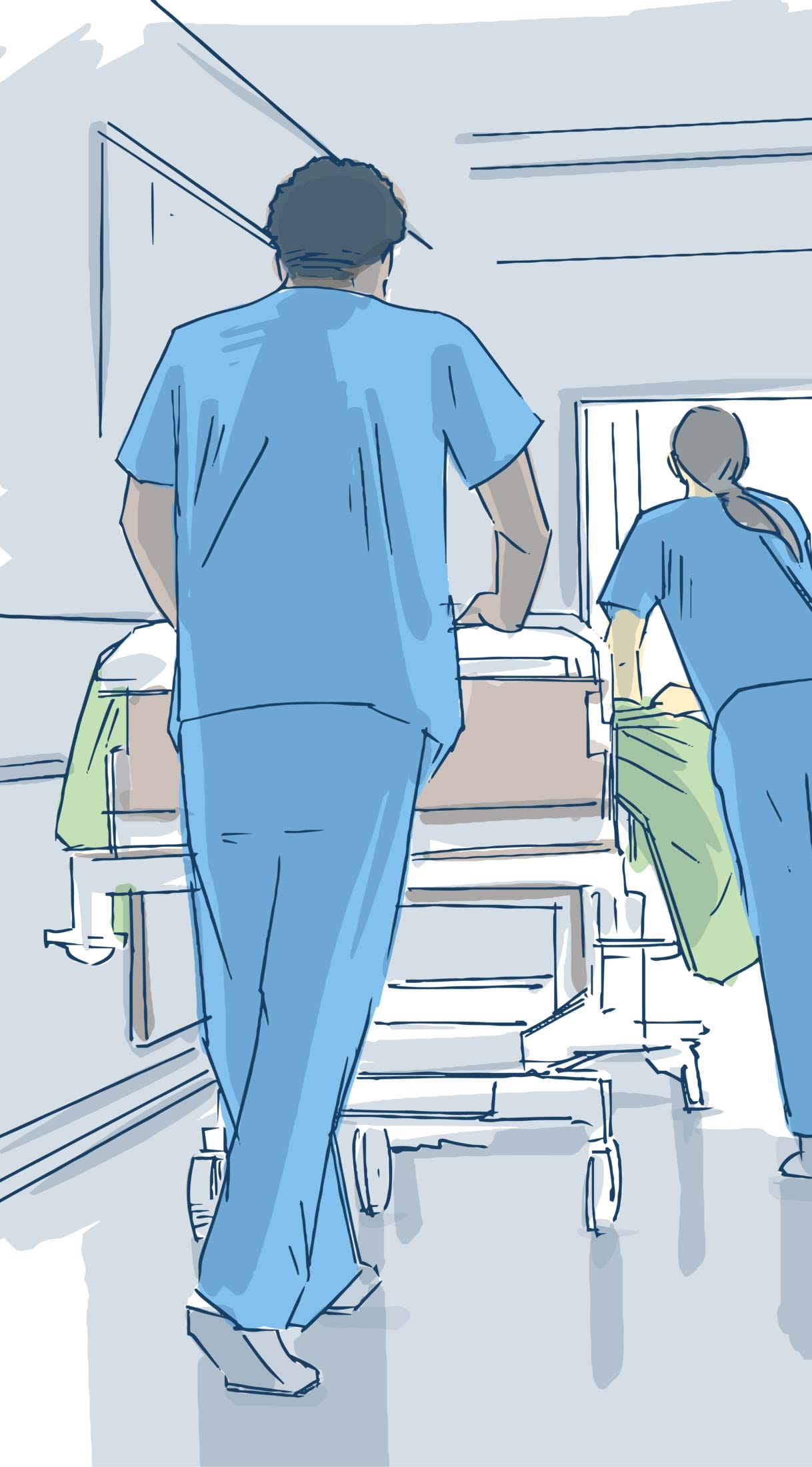
Honor walk, or a walk of honor
A quiet, powerful moment where family and friends along with hospital staff line the halls in tribute as your loved one is brought to the operating room.
-
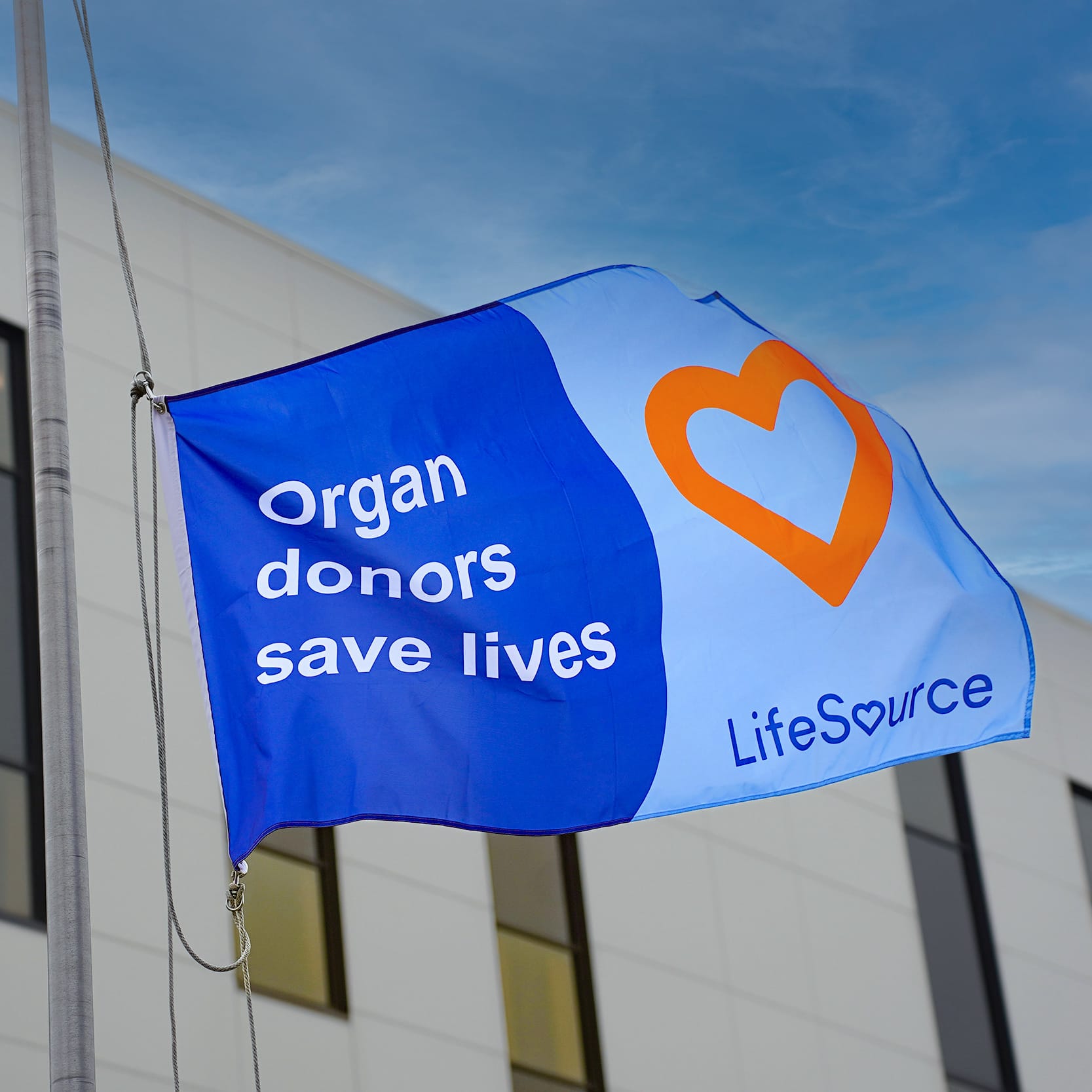
Flag raising
A donor flag ceremony held at the hospital to publicly honor your loved one’s generous gift.
-
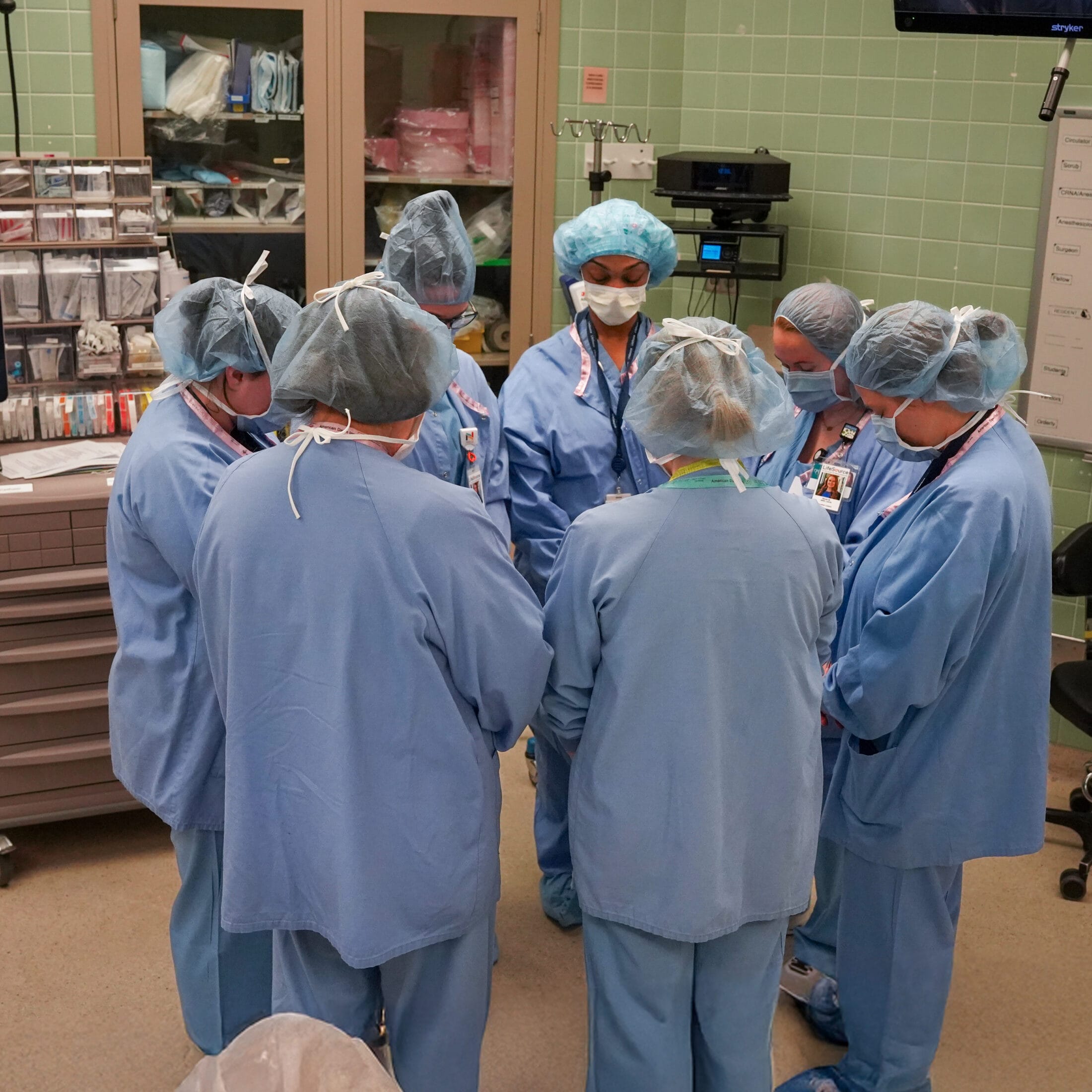
Moment of silence tribute in the operating room
Before every organ donation surgery, the entire operating room staff gathers – including the visiting transplant surgical teams and LifeSource – to hold a moment of silence honoring the donor and their family. These are powerful moments where the family will submit a statement – read by LifeSource – sharing about their loved one. Click here to see an example.
You may ask the team to play your loved one’s favorite music during the surgery as a special tribute.
-

Sample obituary language
We can provide sample language to reflect your loved one’s decision to give the gift of life. Examples are included here.
Frequently Asked Questions
What others often want to know
We’ve walked with thousands of families through this same moment. And we know that questions come up — sometimes immediately, sometimes long after. Here are a few answers to help provide clarity and comfort.

Timing considerations
The organ donation process generally takes a couple of days. During this time, we’re using every minute to support you, care for your loved one, and ensure their organs and tissues can help as many people as possible. Some families have shared that they appreciate this extra time to spend together, while other families may be concerned about the length of time that donation takes. Your donation liaison will share more details based on your specific situation.

You can have a funeral or viewing
LifeSource works with more than 300 funeral homes in our area and will ensure a smooth transition from donation to end-of-life preparations. We’ll discuss your funeral plans with you and then partner with your chosen funeral home. If you are planning on an open casket funeral or viewing, these plans should not be affected by donation.
Some people choose to include that their loved one was a donor in their obituary; here is some sample copy.

It doesn’t cost anything to be a donor
Many families wonder if there is a cost to them or the donor for donation and the answer is no. LifeSource pays for all medical costs associated with organ donation. Those costs are then passed on to the recipient’s transplant center as part of the cost of their transplant. Care provided in the hospital from admission until donation potential is evaluated, as well as funeral costs, remain your responsibility.

The recipients of your loved one’s gifts
It’s natural to be curious about who will be helped and to want to know more about them. While donation is an anonymous gift, we’ll provide you with some general information about the recipients following organ recovery surgery, including their age and gender. You can choose to write to the recipients at any time, and can find more information about that here.
We’re here to help
Your donation liaison can answer any questions you may have and is here to support you along the way. To talk with them, refer to the card they gave you with their phone number or reach out to your nurse.