

From hospital room to home plate: Carter’s journey after heart transplant
For most teenagers, life revolves around school, sports and spending time with friends. For Carter, a 17-year-old baseball player from Minnesota, those things are still important — but they carry a deeper meaning today.
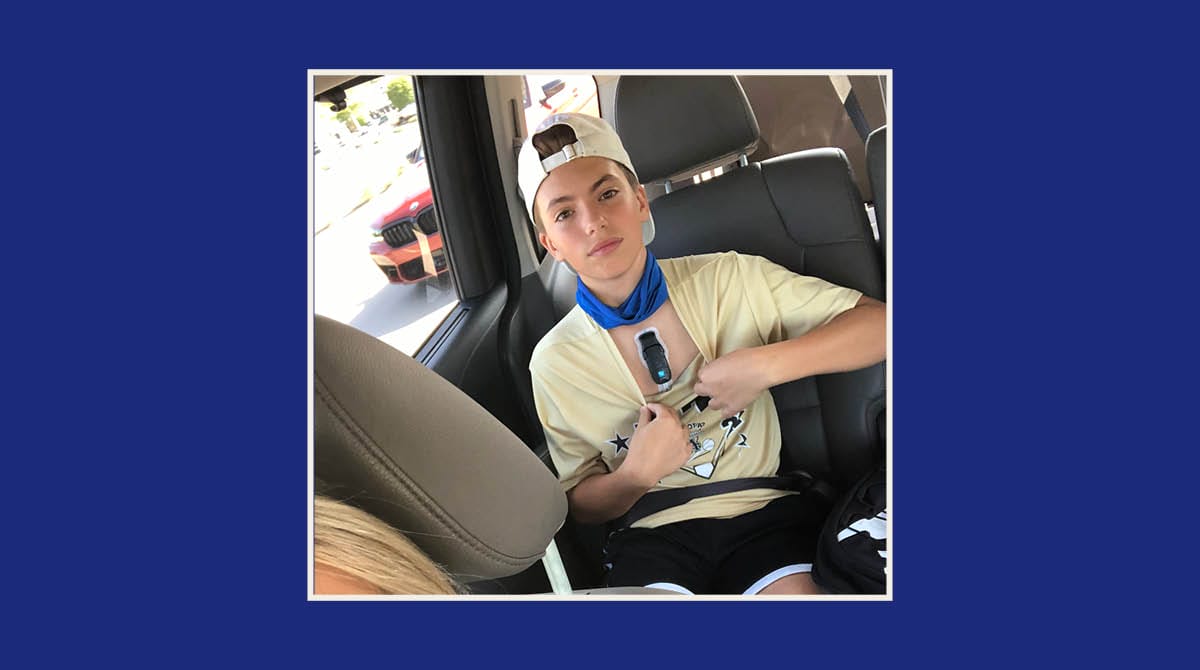
After surviving multiple cardiac arrests, months in the hospital and a heart transplant at age 16, Carter is back on the baseball field doing what he loves most. His journey is one of resilience, family, medical innovation and an extraordinary act of generosity that gave him a second chance at life.
A diagnosis that changed everything
In 2021, Carter was a healthy, active athlete playing travel baseball and basketball. During a routine pediatric checkup, a conversation about family history prompted additional heart testing — even though Carter had no symptoms.
That decision may have saved his life.
An echocardiogram revealed dilated cardiomyopathy, a heart condition that weakens the heart muscle. Further genetic testing later identified a rare genetic mutation called the DSP gene, which had affected multiple members of Carter’s family. Doctors discovered extensive scarring throughout his heart and warned that he would eventually need a heart transplant. The only question was when.
For Carter and his family, the news was devastating.
“I just wanted someone to tell me I had longer than five years with my child,” his mom, Phalen, recalled of those difficult early days.
Living with the unknown
Despite his diagnosis, Carter continued to do what he loved. He played baseball, attended school and tried to live life as normally as possible.
By 2024, he was having one of the best baseball seasons of his life. From the stands, no one would have guessed what was happening inside his heart.
Then everything changed.
On Labor Day weekend in 2024, Carter experienced a cardiac arrest while practicing baseball. His implanted defibrillator shocked his heart back into rhythm, but he didn’t tell anyone. The next day, Mayo Clinic called Phalen after reviewing data from his device.
Just days later, Carter suffered additional cardiac arrests at a baseball tournament, forcing an ambulance ride and hospitalization. Though doctors adjusted medications and worked to stabilize his condition, his health continued to decline.
By the end of October, an echocardiogram revealed his heart was failing.
His ejection fraction — a key measure of heart function — had dropped to just 15%.
Doctors admitted him immediately and began the transplant evaluation process.
Waiting for a heart transplant
What followed was a season of uncertainty.
Instead of attending school, getting his driver’s license and planning for baseball, Carter spent his 16th birthday in the hospital waiting for a donor heart. Friends, family and his girlfriend helped celebrate the milestone from his hospital room, but everyone knew the greatest gift they hoped for couldn’t be bought.
The waiting was especially difficult after Carter experienced another cardiac arrest in the hospital.
His heart stopped.
Doctors rushed into the room and revived him, but the experience left both Carter and his family shaken.
“He just wanted me to put my hand on his leg so he knew I was there,” Phalen said.
Throughout it all, she rarely left his side.
“I was his comfort blanket,” she said.
The call that changed everything
One day after Carter’s 16th birthday, the call finally came.
A heart was available.
The news arrived with a mix of emotions — relief, excitement and profound sadness for another family experiencing unimaginable loss.
“It’s such a crazy feeling because you know what had happened to get that heart,” Phalen said. “But at the same time, you’re thinking, my child gets a second chance at life.”
In the early morning hours, Carter was wheeled into surgery.
Family members gathered, prayed and waited throughout the day for updates.
The transplant was successful.
When Carter finally woke up, still attached to a ventilator and unable to speak, he asked for a piece of paper.
His first message to his mom was simple: “I love you.”
Finding life again
Recovery wasn’t without challenges, but Carter exceeded expectations.
Just 10 days after transplant, he was discharged from the hospital and began rebuilding his strength through cardiac rehabilitation.
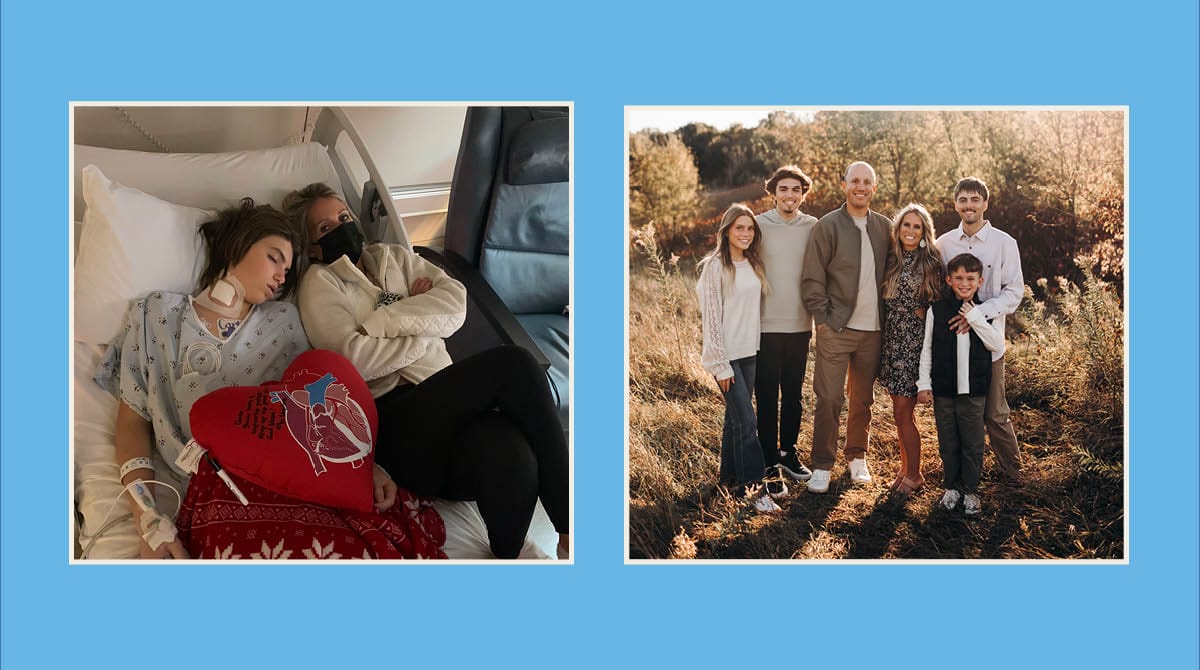
Today, he’s back to many of the activities he loves. He’s spending time with family, friends and his girlfriend. He’s attending Twins, Timberwolves and Wild games. Most importantly, he’s back on the baseball field.
Returning to the game hasn’t been easy.
Several of Carter’s cardiac arrests happened while playing baseball, including one while pitching. The trauma left him battling anxiety and fear every time he stepped onto the field.
But true to his character, he kept showing up.
Recently, he returned to the mound as a relief pitcher and recorded two strikeouts.
For Phalen, it was another reminder of her son’s remarkable resilience.
“I always say he’s been through more than a grown adult, and he’s a 17-year-old child,” she said.
Honoring the gift of his organ donor
Perhaps nothing illustrates Carter’s character more than the way he honors his donor.
Shortly after transplant, Carter wrote a letter to the donor’s family. Eventually, they connected with the family of Hunter, the young man from Ohio whose decision to become an organ donor saved Carter’s life.
The connection has grown into a meaningful relationship.
Carter carries photos of Hunter, keeps his memory close and even chose to include Hunter’s name in a tattoo commemorating his transplant date.
“This person means everything to him,” Phalen said.
Soon, the two families will meet in person for the first time.
For Carter, it’s another milestone in a journey that has taught him lessons many people don’t learn in a lifetime.
Never giving up
When asked what makes her most proud, Phalen didn’t mention baseball statistics, hospital milestones or transplant anniversaries.
Instead, she pointed to one quality that carried Carter through every setback.
Perseverance.
Despite fear, anxiety, pain and uncertainty, he never gave up.
“He pushed through all of it,” she said. “He never stopped trying.”
Today, Carter’s story serves as a powerful reminder of the life-changing impact of organ donation and the extraordinary strength that can emerge in the face of adversity.
And as he prepares for his senior year, one thing is clear: Carter’s story is no longer defined by the heart condition he was born with.
It’s defined by the life he’s determined to live with the heart he was given.
Related Media Stories
Young heart transplant recipient to be honored at Twins game (CBS News)
LifeSource Spotlight: Carter Anderson (KSTP)
Wayzata High School student back home after heart transplant (CCX Media)
Wayzata HS baseball player gets new heart for 16th birthday (Fox 9)
Wayzata teen receives heart transplant just after birthday (Kare 11)