

A liver transplant gave Lincoln the chance to be a kid
These days, it’s hard to slow Lincoln Wahlers down. Watching Lincoln race across a field or cheer for his favorite team, you would never know that five years ago doctors weren’t sure he would survive.
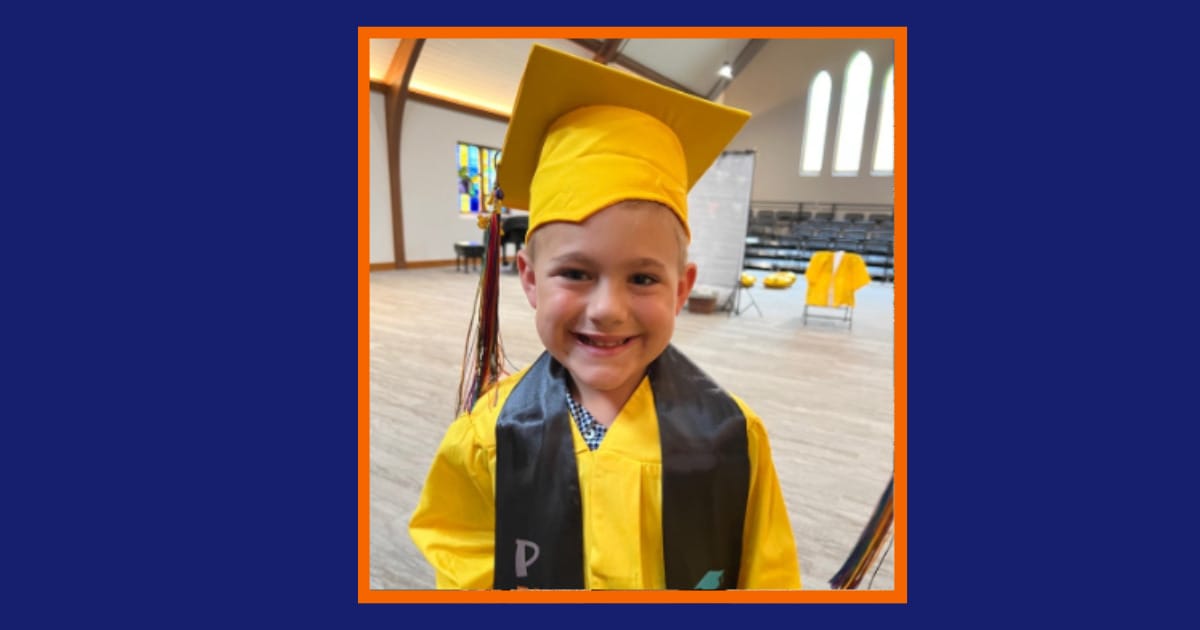
“He’s our old soul,” his mom, Natalie, says. “He just doesn’t seem like he’s five.”
Watching Lincoln race across a field or cheer for his favorite team, you would never know that five years ago doctors weren’t sure he would survive.
A journey that started at birth
Lincoln’s medical journey began almost as soon as he entered the world.
Initially, doctors discovered he had congenital heart disease. While his family focused on his heart, another concern emerged. His liver wasn’t functioning normally.
What followed was months of uncertainty.
“We had a very rare story,” Natalie, Lincoln’s mom recalls. “He was diagnosed, misdiagnosed, diagnosed again, misdiagnosed.”
At first, testing suggested Lincoln did not have biliary atresia, a serious liver disease that can lead to liver failure. But as the weeks passed, his liver labs continued to worsen. A biopsy offered few answers. Surgeons even began a procedure, only to stop midway when what they found didn’t match what they expected.
“It was kind of a whiplash,” Natalie says.
Doctors ultimately believed Lincoln had a rare, slow-progressing form of biliary atresia. As his family searched for answers, they navigated feeding tubes, concerns about weight gain and the constant uncertainty that came with caring for a medically fragile infant.
Yet through it all, Lincoln remained remarkably happy.
“We have pictures of him smiling in the hospital 24/7,” Natalie says.
Home becomes the hospital
Looking back, Natalie remembers spending much of Lincoln’s first year of life inside hospital walls.
The family learned the rhythms of hospital life — the overnight checks, the constant stream of lab results, the uncertainty that greeted each new day.
“I was really numb,” she says. “I don’t know how we survived a lot of it. We lived in a hospital.”
The staff at M Health Fairview Masonic Children’s Hospital became an extension of their family.
“It was our home for a while,” Natalie says.
At the time, survival mode took over. There wasn’t much opportunity to process what was happening.
“I was coping the only way I knew how,” she says. “Looking back, I think I was just disassociating.”
A Sudden Tun
Before transplant was even fully on the family’s radar, Lincoln underwent surgery to correct his congenital heart condition.
The operation itself went well. His recovery did not.
Lincoln went home briefly after surgery — just 24 hours — before complications sent him back to the hospital. He would remain there until transplant.
His health deteriorated quickly.
“We felt like our team was constantly applying for exception points and trying to get him higher on the waiting list,” Natalie remembers.
Then came the night that changed everything. In the middle of the night, Lincoln’s breathing suddenly worsened. A code blue was called around 2 a.m. Doctors rushed into the room. The next day, Lincoln was listed as Status 1A, the highest priority on the transplant waiting list.
“We were sitting in a hospital room with doctors telling us our child had 24 hours,” Natalie says.
Today, with a healthy child preparing to start kindergarten, the memory still feels surreal.
“What an out-of-body experience that seems now,” she says.
A gift of life from a stranger saved Lincoln
The family first thought a liver had become available, only to learn it wasn’t the right match. Then another opportunity came.
A split liver from a 22-year-old donor.
Even then, there was more waiting.
The donor organ was traveling from Chicago. Surgeons needed to evaluate it. The liver would need to be carefully divided so the right portion could be transplanted into a seven-month-old baby.
As first-time parents, Natalie and her husband didn’t fully grasp the complexity of what was happening.
“We were just like, ‘Oh, it’s the liver,'” she says. Still, amid the fear and uncertainty, there was relief.
“I think we were relieved that there was something for him.” Lincoln received his transplant on November 5, 2021.
Years later, Natalie still struggles to comprehend what that night meant. “It’s something I don’t think we’ll ever fully wrap our heads around.”
Seeing their son for the first time
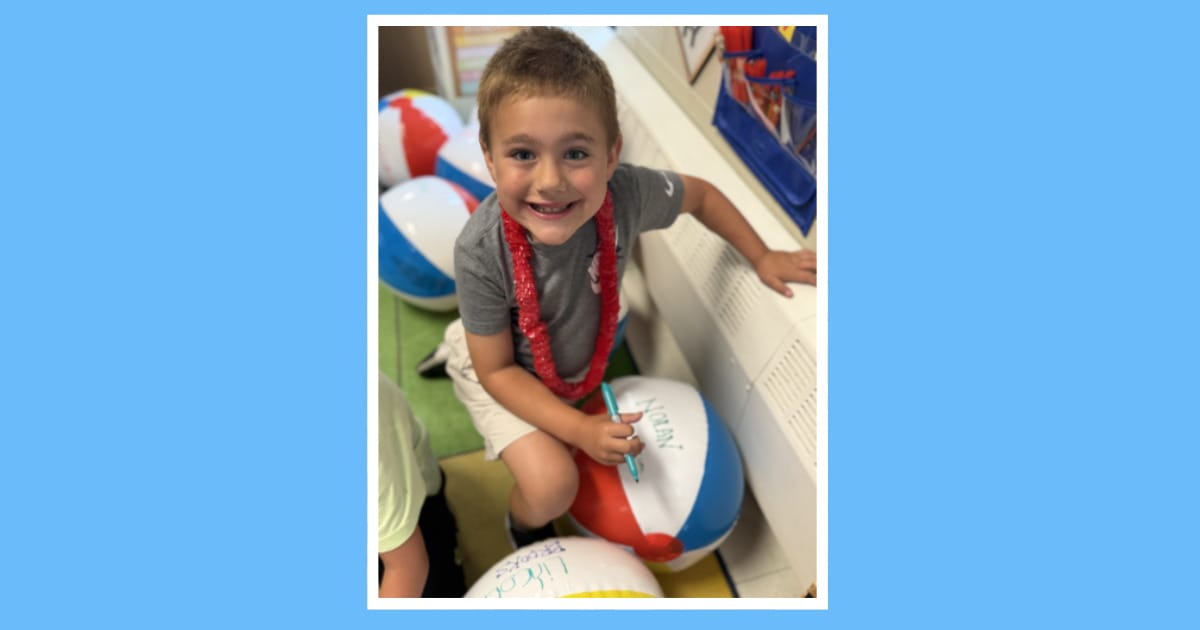
The transformation after transplant was almost immediate.
“It was miraculous,” Natalie says.
Lincoln had always been happy, but suddenly there was a new energy. The yellow color caused by liver disease began fading from his skin. His appetite improved. He became more active. For the first time, his family could see what healthy looked like.
“It was so eye-opening for us to see how sick he was before,” Natalie says.
In some ways, it felt like meeting an entirely new child.
“He was the Lincoln we knew,” she says, “but it was miraculous to see the baby that he became because it wasn’t a baby that we knew.”
Recovery wasn’t easy. There were complications, procedures, drains, therapies, biopsies and countless appointments. For nearly 10 months after transplant, Lincoln still required biliary drains. There were feeding challenges, occupational therapy and physical therapy.
Life after transplant brought its own reality.
“It was a whole new reality we had to adapt to,” Natalie says.
Finding normal
One of Natalie’s clearest memories came months later. When Lincoln was nearly two years old, the tubes and drains were finally gone. For the first time, nothing was attached to him.
No feeding tube.
No drains.
No visible reminders of everything his small body had endured.
“I think that was the first normalcy that we had,” she says.
“That was the first time we felt like he was just a normal little kid.”
Today, that normal life looks wonderfully chaotic. The Wahlers family is constantly on the go. They spend weekends at parks, biking, swimming, playing sports and making memories together.
Ninety percent of their time, Natalie jokes, is spent outdoors. It is exactly the life they once feared Lincoln might never have.
The little moments mean everything
The moments that affect Natalie most aren’t the dramatic ones. They’re the ordinary milestones. Watching Lincoln take baseball photos. Seeing him graduate from preschool. Watching him play with his brothers.
“I was the mom in the back crying,” she says of baseball picture day.
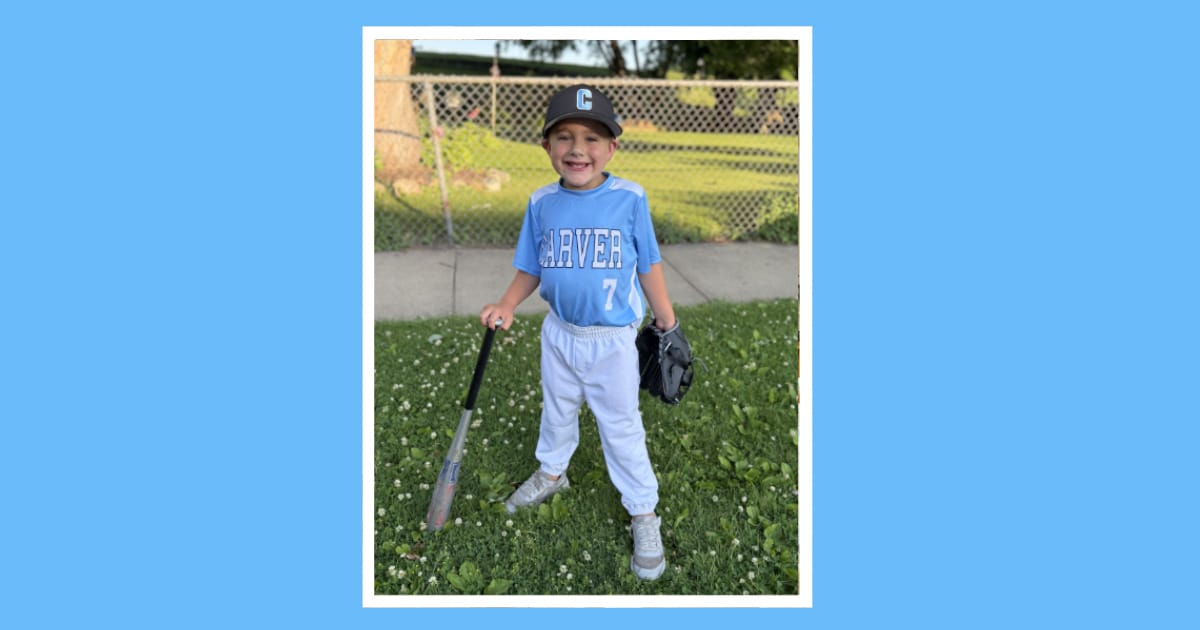
Moments that other families might take for granted feel extraordinary to the Wahlers family.
“At one point, we never knew that we would get here with him.”
This fall, Lincoln will start kindergarten. It is a milestone that once felt uncertain. Now, it’s simply the next step in a beautiful, busy life.
A legacy of gratitude
The Wahlers family participates in Donate Life events, attends Twins games celebrating donation and advocates for organ donation whenever they can.
For Natalie, the reason is simple: “Organ donation truly saves lives.”
The impact extends far beyond one recipient. A donor’s decision changed the future of an entire family. If she could speak directly to Lincoln’s donor family today, her message would be brief but heartfelt.
“There’s no way to say thank you for saving your child’s life,” she says. “Thank you for saving my son and our family.”
Every November 5, the family celebrates Lincoln’s transplant anniversary. They plant flowers during Donate Life Month. They talk openly about his story. They make sure Lincoln understands the incredible gift he was given.
And every day, they get to witness what that gift made possible.
A thriving five-year-old.
A future full of possibility.
A second chance at life.