

Your decision can save lives
You have the rare and powerful ability to save and heal lives through organ donation – fewer than 1% of people have this chance to help others.
You can help more than 75 people
Donation is an incredible gift that preserves the circle of life. More than 2,700 people in our region are waiting for a life-saving transplant right now, and 140 of them identify as American Indian or Alaska Native. That’s simply because there aren’t enough organs for everyone who needs a transplant. If you know someone waiting for a transplant, directed donation may be an option.
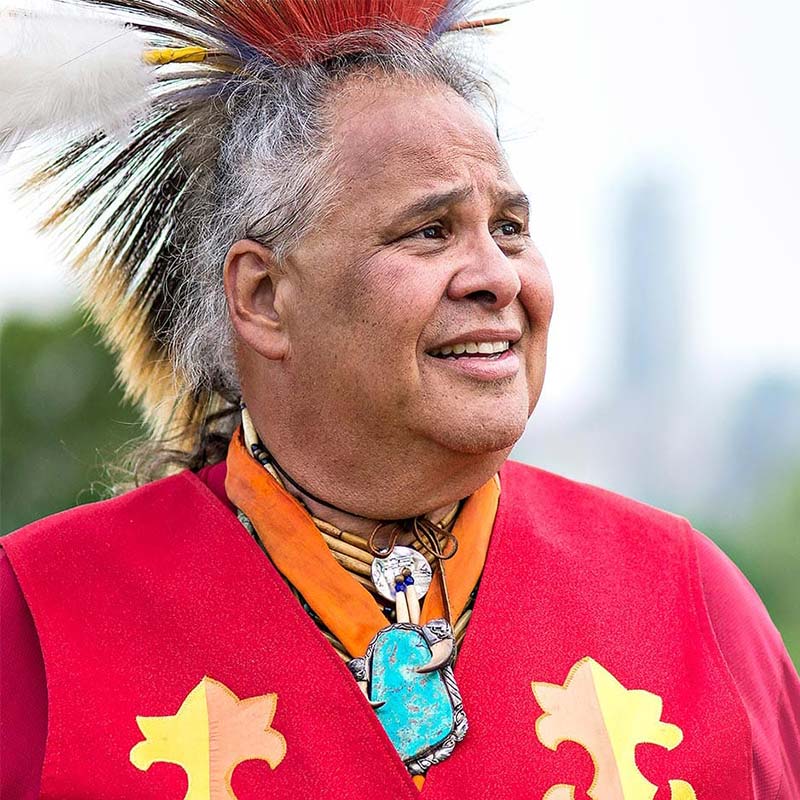
It is important that if we want our community to survive, that we be part in helping people live. Organ donation is a way of helping people live.
Michael A Goze, Ho-Chunk Nation of Wisconsin
The Donation Process
Are you wondering what happens next?
When a donation begins, the medical teams and support staff are united by a common mission to move through the various steps of the process as quickly as possible and with a real sense of urgency. The organ donation process can vary for each individual, but generally it can take a couple of days to be completed. During this time, every minute counts and LifeSource’s team is focused on making sure you feel supported, providing care for your loved one and ensuring their organs and tissues can help as many people as possible.
Click through each step of the process below for more information.
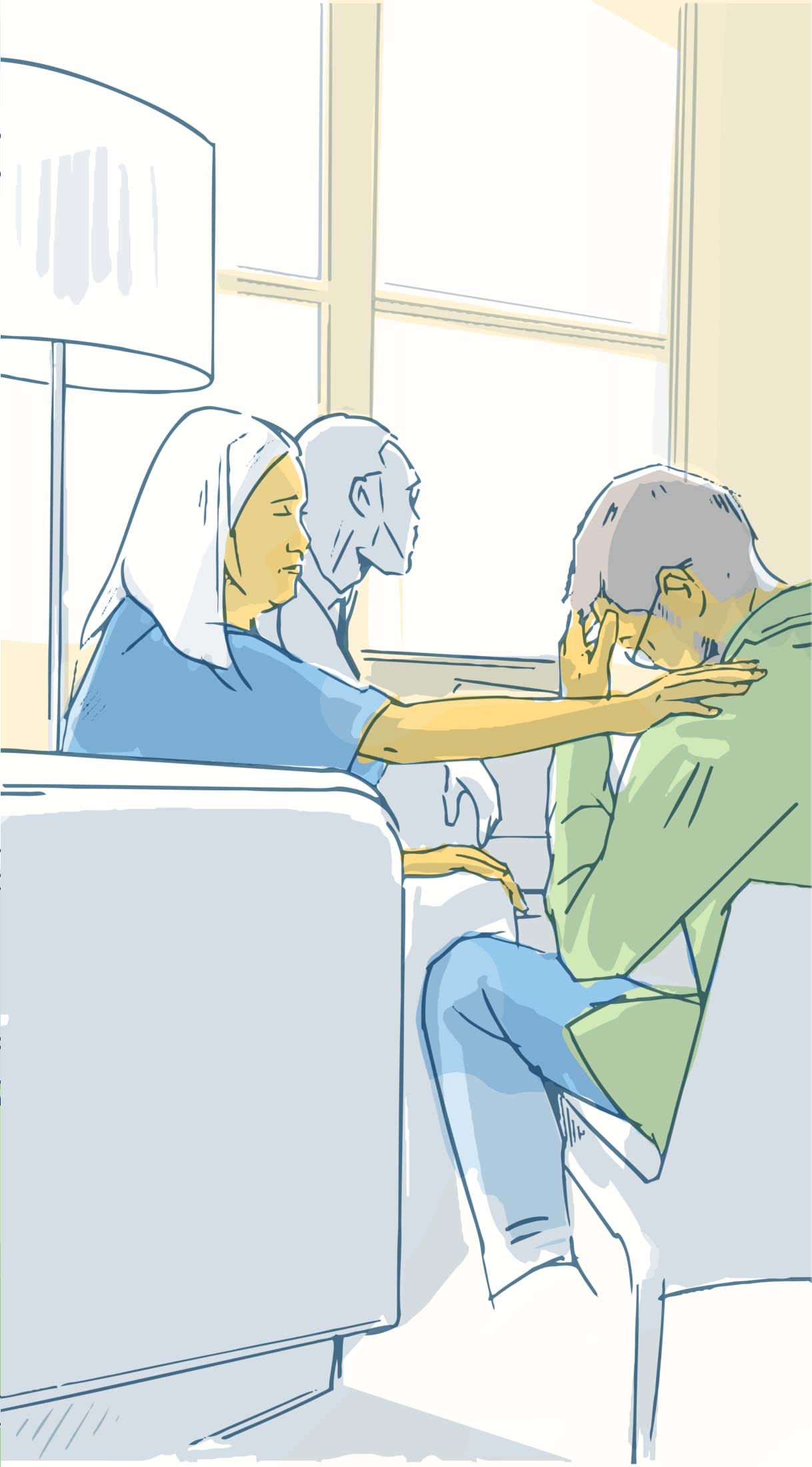
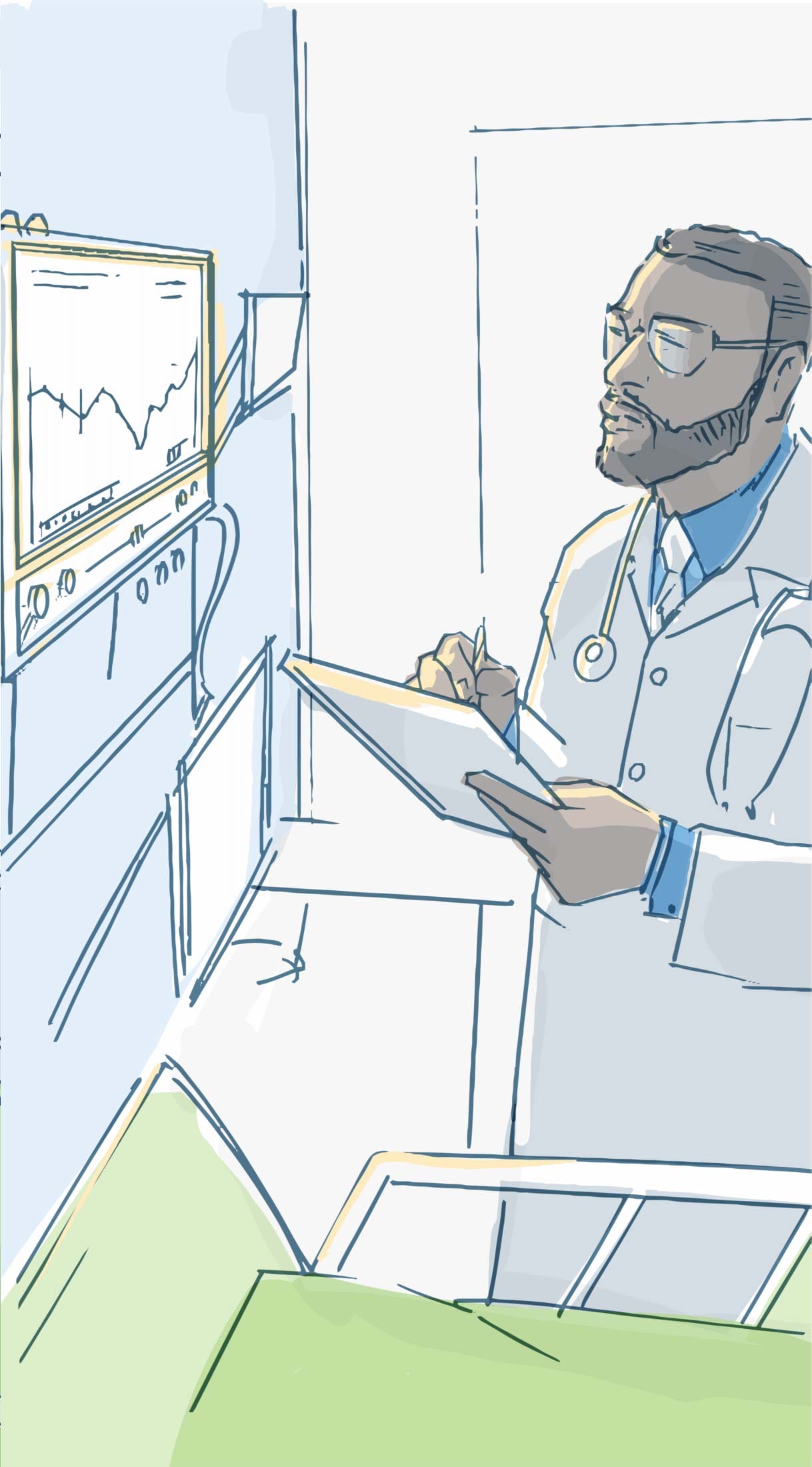
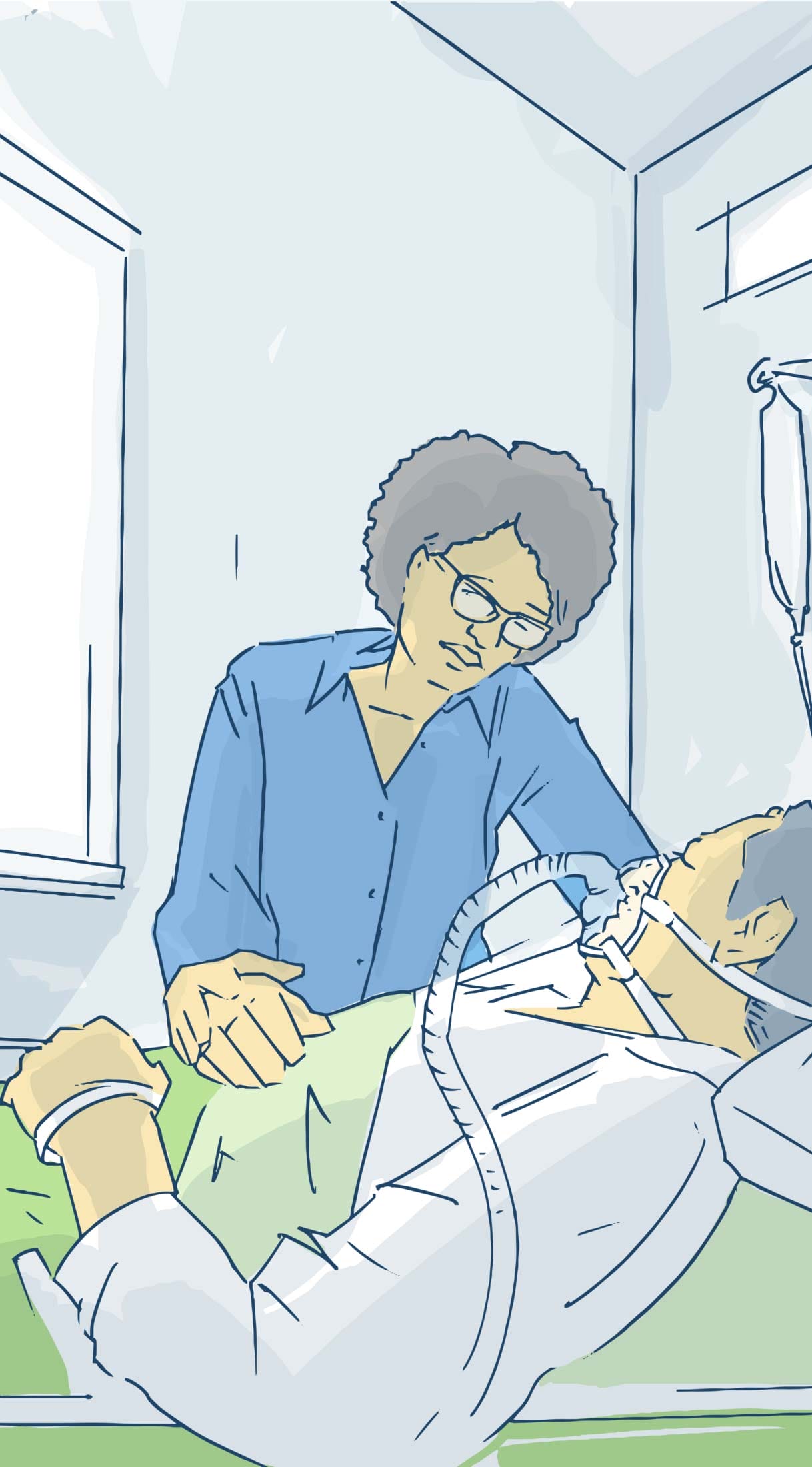
Memorials & legacy opportunities
You decide how your loved one is remembered. We’ll support you in creating a meaning that fits your story. Donation does not prevent funeral arrangements, cultural practices, religious beliefs or final goodbyes. LifeSource and your hospital care team offer several ways to create meaning during and after donation. These include:
-
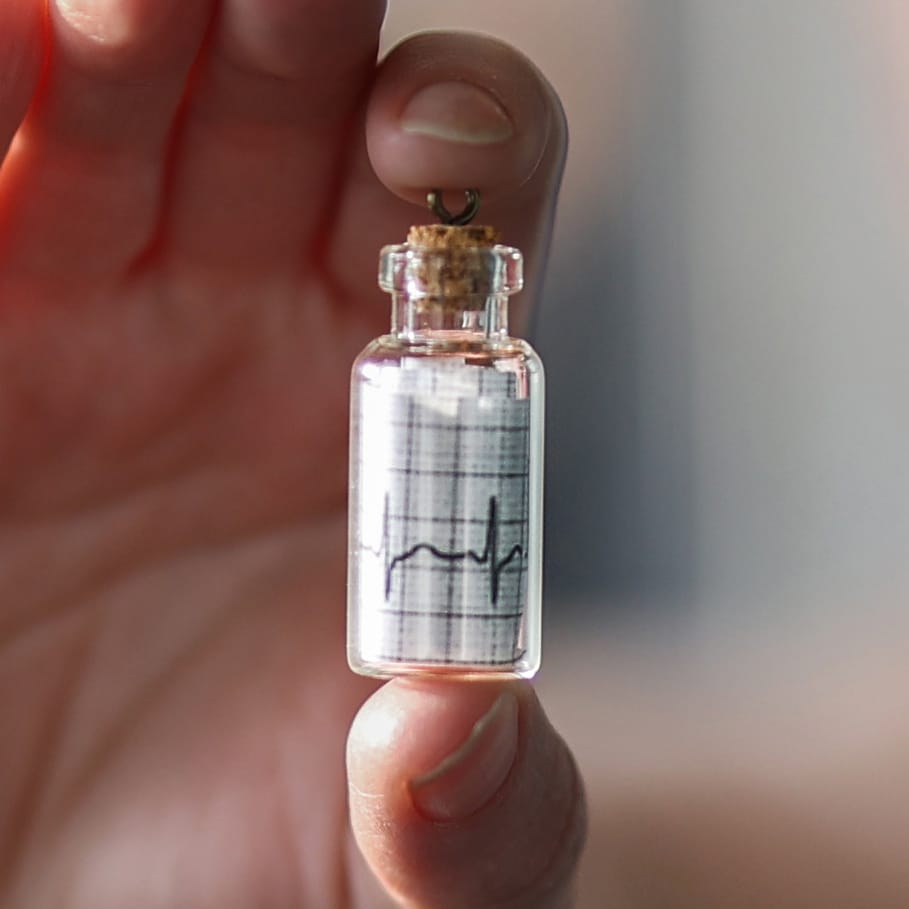
Heartbeat in a bottle
Families have made them into jewelry, given them at funerals, placed them inside stuffed animals for children; they place them on mantle pieces, on their nightstands, or carry them with them everywhere they go.
-
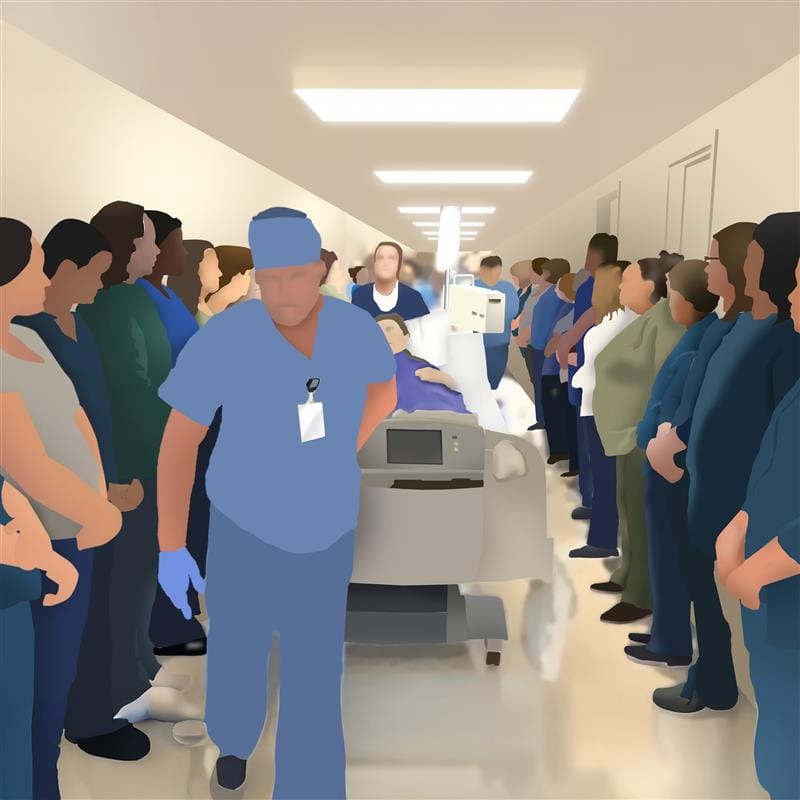
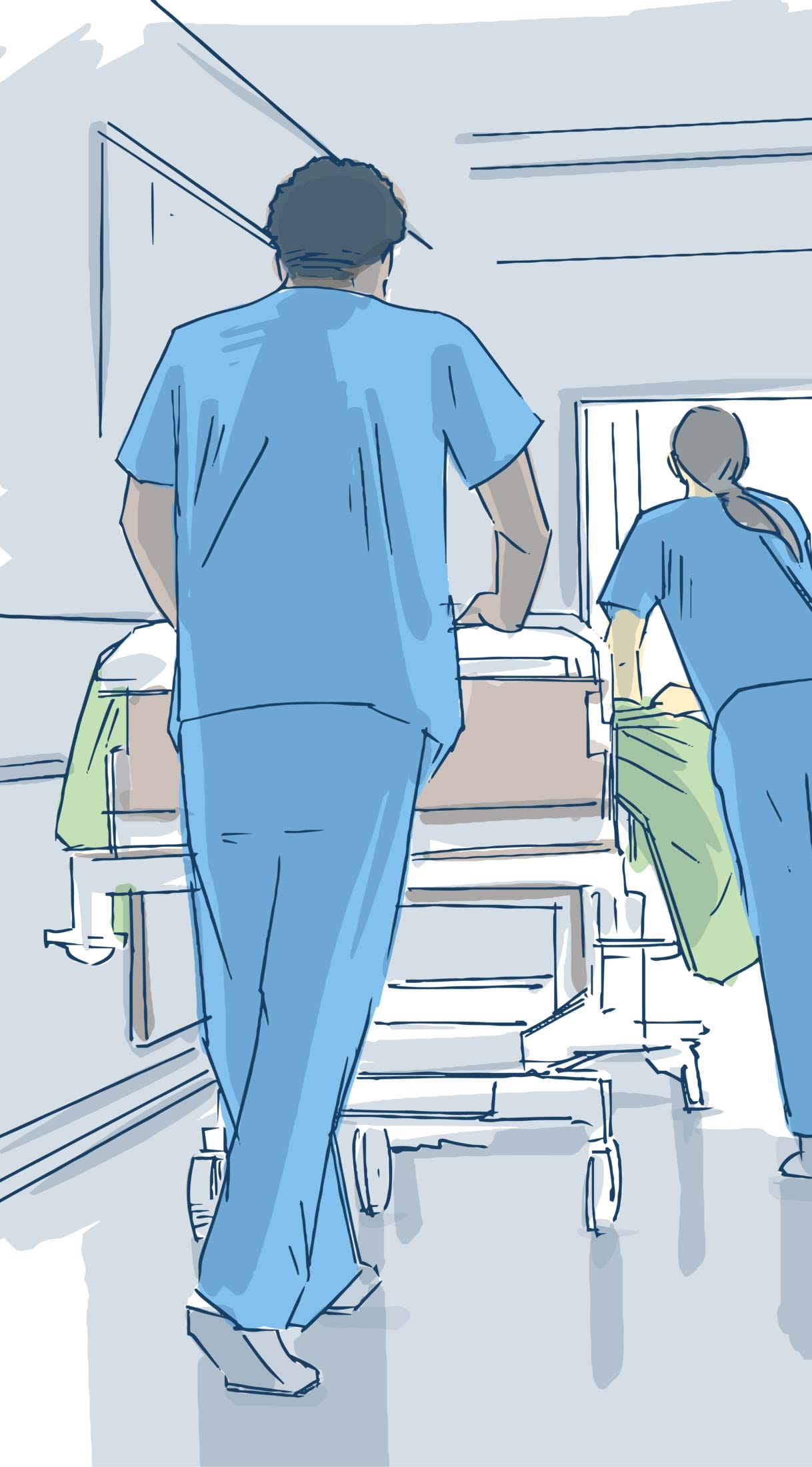
Honor walk, or a walk of honor
A quiet, powerful moment where family and friends along with hospital staff line the halls in tribute as your loved one is brought to the operating room.
-
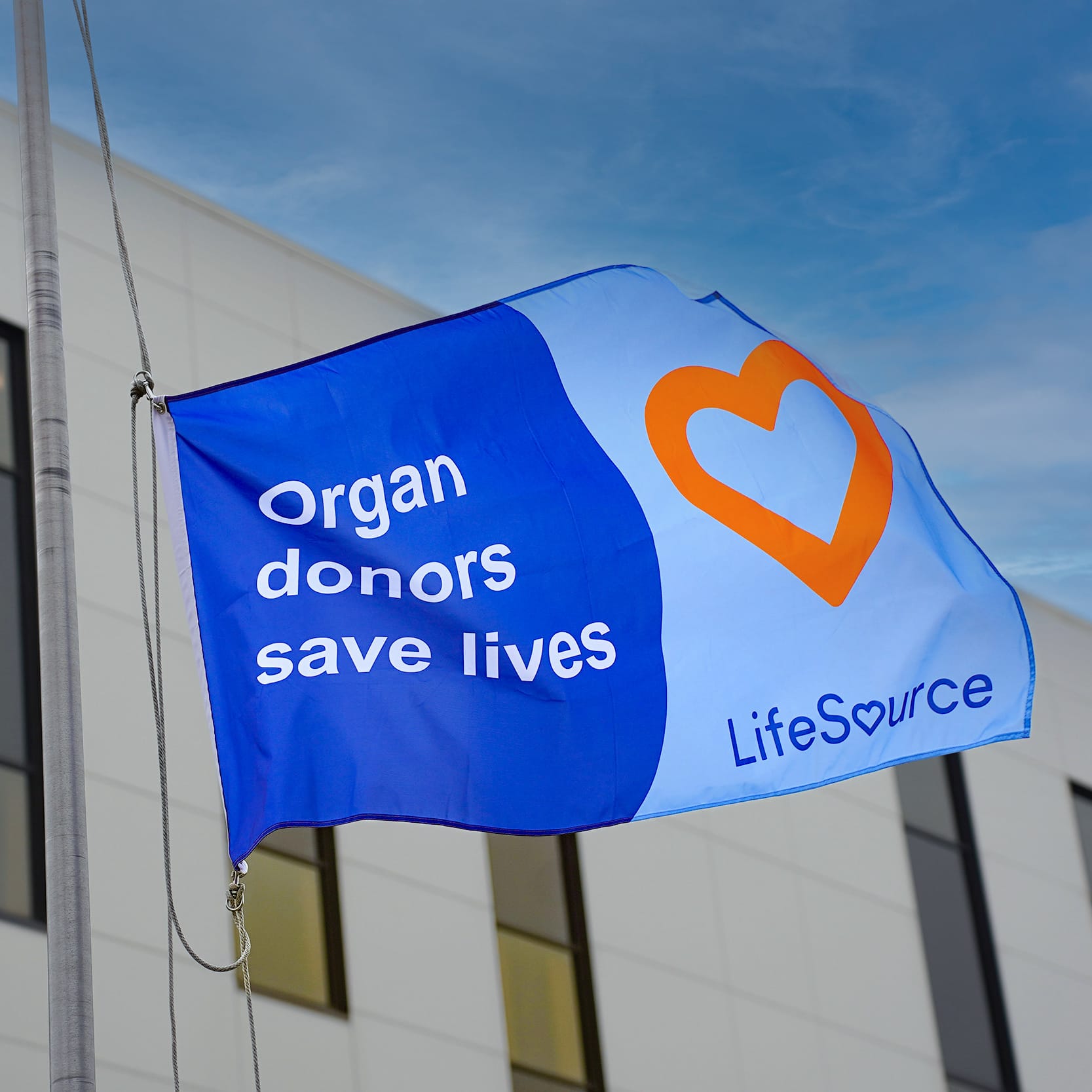
Flag raising
A donor flag ceremony held at the hospital to publicly honor your loved one’s generous gift.
-
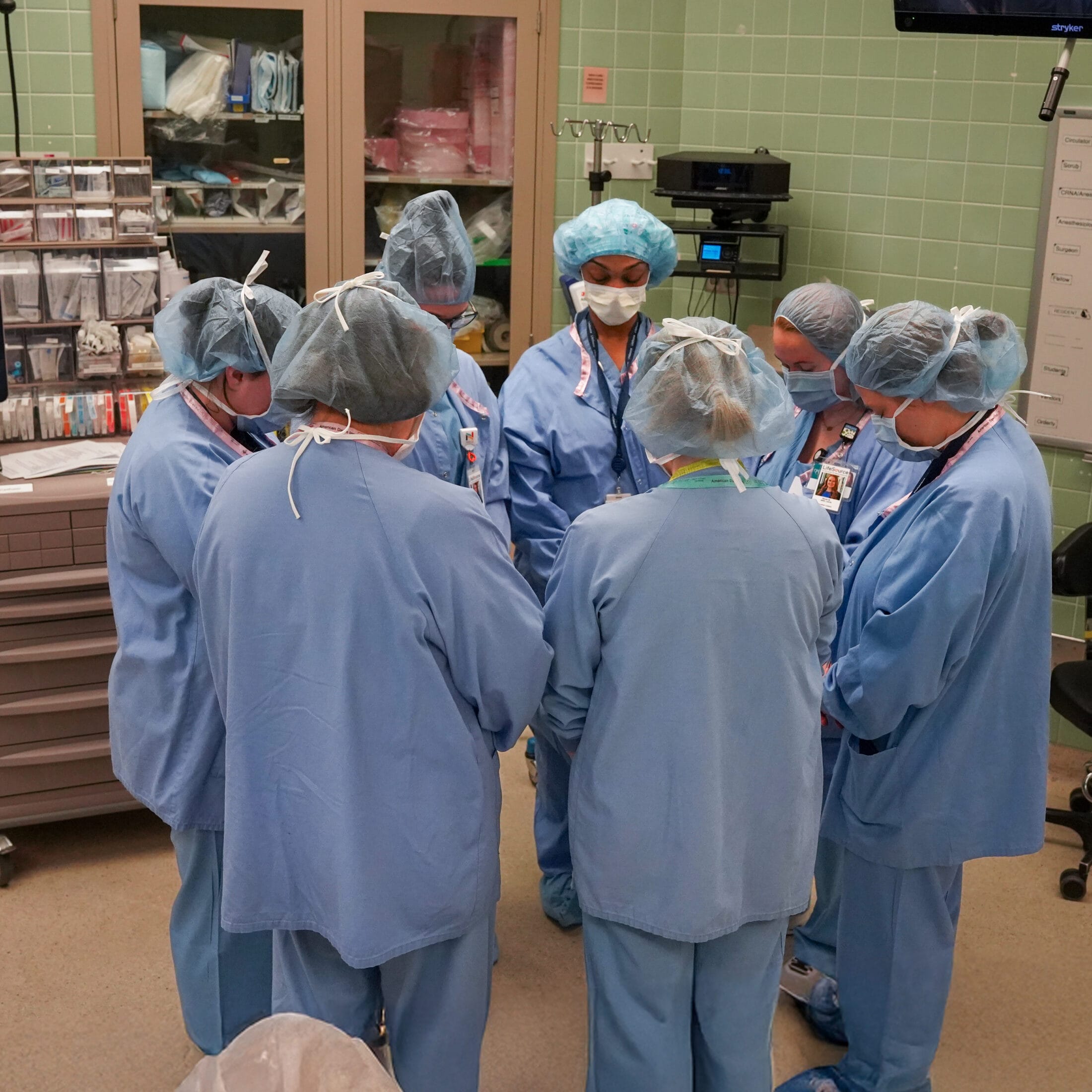
Moment of silence tribute in the operating room
Before every organ donation surgery, the entire operating room staff gathers – including the visiting transplant surgical teams and LifeSource – to hold a moment of silence honoring the donor and their family. These are powerful moments where the family will submit a statement – read by LifeSource – sharing about their loved one. Click here to see an example.
You may ask the team to play your loved one’s favorite music during the surgery as a special tribute.
-

Sample obituary language
We can provide sample language to reflect your loved one’s decision to give the gift of life. Examples are included here.
Frequently Asked Questions
What others often want to know
For more than 30 years, LifeSource has worked with families like yours. Here are some of the most frequently asked questions we receive at this stage in the process.

You can have a traditional burial or viewing
LifeSource will partner with you and your Tribal/Community/Spiritual Leaders to complete any traditional ceremonies you want; often, Smudging ceremonies are able to occur right in the room. LifeSource also works with more than 300 funeral homes in our area and will ensure a smooth transition from donation to end-of-life preparations. We’ll discuss your funeral plans with you and then partner with your chosen funeral home. If you are planning on an open casket funeral or viewing, these plans should not be affected by donation. Some people choose to include that their loved one was a donor in their obituary; here is some sample copy.

It doesn’t cost anything to be a donor
Many families wonder if there is a cost to them or the donor for donation and the answer is no. After you’ve said yes to donation, LifeSource pays for all medical costs associated with organ donation. Those costs are then passed on to the recipient’s transplant center as part of the cost of their transplant. Care provided in the hospital from admission until your family says yes to donation, as well as funeral costs, remain your responsibility.

Timing considerations
The organ donation process generally takes a couple of days. During this time, we’re using every minute to support you, care for your loved one, and ensure their organs and tissues can help as many people as possible. Some families have shared that they appreciate this extra time to spend together, while other families may be concerned about the length of time that donation takes. Your donation liaison will share more details based on your specific situation.
How long can an organ be outside the body before transplant?

The recipients of your loved one’s gifts
It’s natural to be curious about who will be helped and to want to know more about them. While donation is an anonymous gift, we’ll provide you with some general information about the recipients following organ recovery surgery, including their age and gender. You can choose to write to the recipients at any time, and can find more information about that here.
Looking for more information? Explore other frequently asked questions.
Stories
Hear from Native community members impacted by donation

Michael A Goze Ho-Chunk Nation of Wisconsin
“It’s important that if we want our community to survive, that we be part in helping people live. Organ donation is a way of helping people live.”

Patina Park Cheyenne River Sioux
“Donation is something that my husband and I have talked about. We have it in our health care directive so there’s no question from family or friends about what to do. I think everyone should have a conversation about donation with their loved ones.”
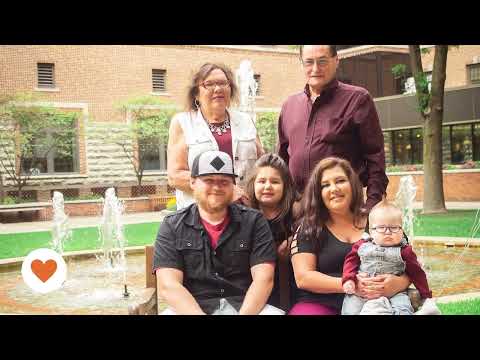
Live On: Greyson’s Story
“So when you check the box, remember the little boy with the black-rimmed glasses who smiled through every hardship,” said Joan Azure to her fellow tribal members. “By doing this, we’re honoring him. And we’re keeping him alive so to speak. And that’s what his legacy is all about.”
We’re here to help
Your donation liaison can answer any questions you may have and is here to support you along the way. To talk with them, refer to the card they gave you with their phone number or reach out to your nurse.